Zeteo
Past questions review with expanded learning to cover wide knowledge base.
Zeteo: Learning NSMQ Past Questions and Answers, with Expanded Explanations
Introduction
First of all, do you know the meaning of Zeteo? Zeteo comes from the Greek word zētéō (ζητέω), which means to seek, to search for, to inquire, and to strive after understanding. It is not passive learning. It is active pursuit. It is the decision to keep asking questions until clarity is reached. It is the refusal to settle for surface answers when deeper understanding is possible.
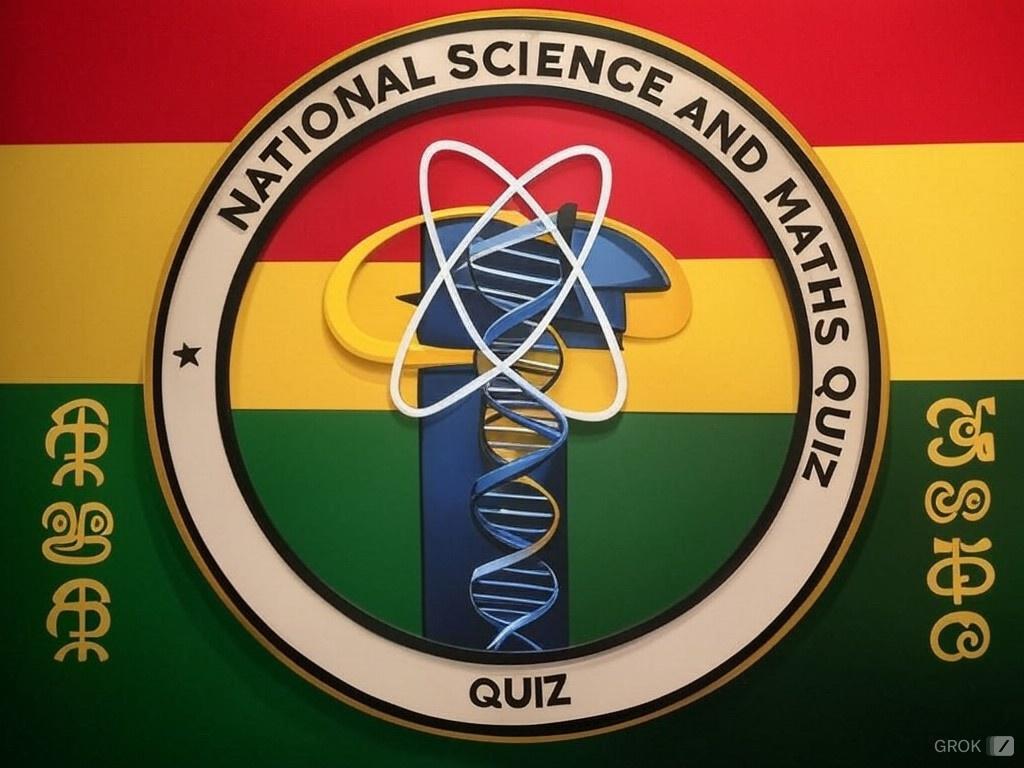
That meaning is the foundation of this system. Zeteo is built around how students engage with National Science and Maths Quiz past questions. These questions are often seen as practice material, but in reality they carry structure, repetition, and patterns that can only be understood when learning goes beyond memorisation. Zeteo treats each question as a point of inquiry rather than a final answer. It becomes something to examine, break apart, and rebuild until the logic behind it is clear.
It is not just a collection of NSMQ past questions and answers. It is a learning structure designed to turn every question into a process of understanding through expanded explanations and video explainers. At every stage, the focus shifts from what the answer is, to how it is formed and why the concept applies.
What Zeteo Is
Zeteo is a structured learning system built around NSMQ past questions. It organizes learning in a way that mirrors how the competition is actually experienced, but adds depth that is usually missing in traditional practice. It begins with subject selection. Learners choose between Physics, Chemistry, Biology, and Mathematics. Each subject represents a different way of thinking and problem solving. From there, learners move into specific years where NSMQ questions are grouped according to their real competition format.
Each year is divided into rounds that reflect the structure of the competition. These include the Fundamentals Round, Speed Race, Problem of the Day, True or False, and Riddles. This structure is important because it keeps the learning environment close to the real competition experience while still allowing for deeper analysis. From the year view, learners move into specific rounds. Each round contains multiple sets of questions. These sets form the core learning units of Zeteo.
At the set level, each NSMQ question is presented in a structured format. The original question comes first. The answer follows. Then comes the expanded explanation, which breaks the reasoning down step by step. This is followed by video explainers that reinforce understanding visually. This structure ensures that learners do not only see answers. They understand the process behind the answers. It shifts learning from recognition to reasoning.
Why Zeteo Exists
The problem is not access to NSMQ past questions. The problem is how they are understood. National Science and Maths Quiz past questions already exist in many places. Students use them widely for revision and preparation. However, most learners engage with them as isolated items. A question appears, an answer is given, and the learner moves on. This creates repetition without depth. Over time, students may become familiar with patterns, but they do not always understand the logic behind those patterns. This limits their ability to apply knowledge in new situations.
Zeteo exists to change that outcome. It focuses on expanding understanding through structured explanation. Instead of treating questions as final checkpoints, Zeteo turns them into learning moments. Each answer is supported with a breakdown of reasoning and reinforced with video explanations. This approach helps learners see connections between concepts. It also reveals how questions are built, not just how they are solved. When learners understand the structure behind questions, they are better prepared to handle unfamiliar problems.
The goal is not to increase the number of questions a learner sees. The goal is to increase the depth of understanding for each question they encounter.
How Zeteo Works
Zeteo functions as a layered learning system. Each layer serves a specific purpose in guiding the learner from basic orientation to deep understanding. The first layer is subject selection. This directs learners into a specific field such as Physics or Chemistry. It ensures that learning begins in the correct context. The second layer is the year structure. Here, NSMQ questions are grouped according to the year they appeared in the competition. This allows learners to see progression over time and understand how topics evolve.
The third layer is the round structure. Each year is divided into competition rounds such as Fundamentals, Speed Race, and Riddles. This keeps the learning experience aligned with the real competition format. The fourth layer is the set level. This is where focused learning happens. Each set contains a small group of NSMQ questions that are studied in detail. At this level, each question is broken into three parts: the question itself, the answer, and the expanded explanation. The explanation is where most of the learning happens. It breaks down the reasoning step by step and explains the underlying concepts.
Video explainers are added to support visual understanding. This ensures that learners who understand better through demonstration or visual learning are also supported. The flow is consistent: subject to year, year to round, round to set, set to explanation and video. Each layer removes unnecessary complexity and replaces it with clarity. The system is designed to make thinking more structured and understanding more natural.
Conclusion
At the deepest level, NSMQ questions are no longer just solved. They are understood through structure, explanation, and visual learning until clarity becomes the outcome of every question.